
Roofing in Indian Creek, Carrollton
The west-side streets around the golf course and the Elm Fork greenbelt carry some of the larger rooflines in Carrollton, set among mature trees and open to the wind that comes across the river bottoms.
Call (972) 428-2019
The Indian Creek roof picture.
Homes near the course tend to run larger and more cut-up than the Carrollton average: intersecting gables, long valleys, more flashing per square than a simple ranch. Those junctions are where roofs earn or lose their lifespan, so the photo inspection here spends its time in the valleys and wall lines, not just the open field.
The greenbelt setting adds two steady factors: limbs and leaf load working on the shaded slopes, and open west exposure when a front pushes through. The county has 96 mph on its recent wind record, and the repair work that follows a blow here usually starts at lifted courses on the windward side.
- Housing stock
- Larger multi-plane rooflines, mature lots
- Wind record
- 96 mph peak gust, Dallas County, 2024
- Hail exposure
- 23 hail days on the Dallas County record
- Common finds
- Valley wear, debris shading, wind-lifted courses
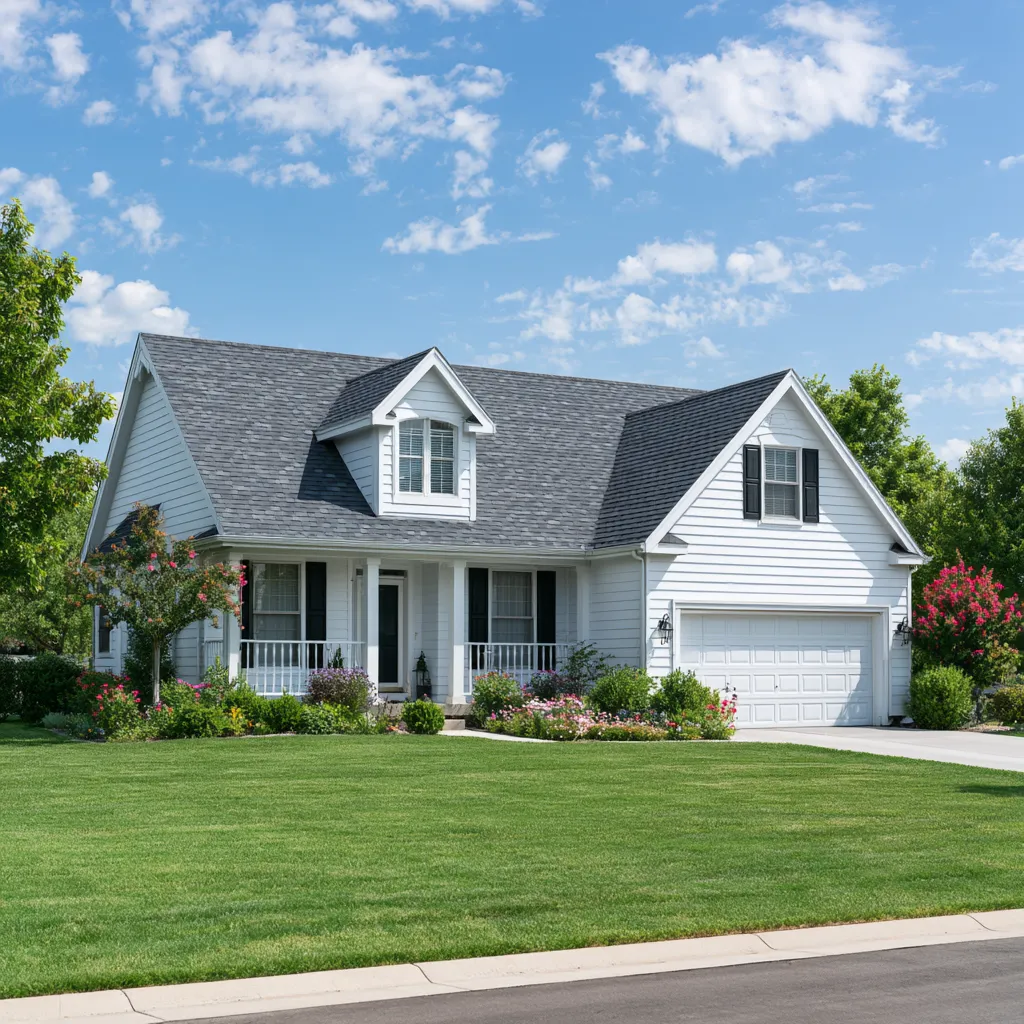
County gusts have reached 96 mph on the recent record; after a wind event, the exposed west-side slopes get photographed eave to ridge.
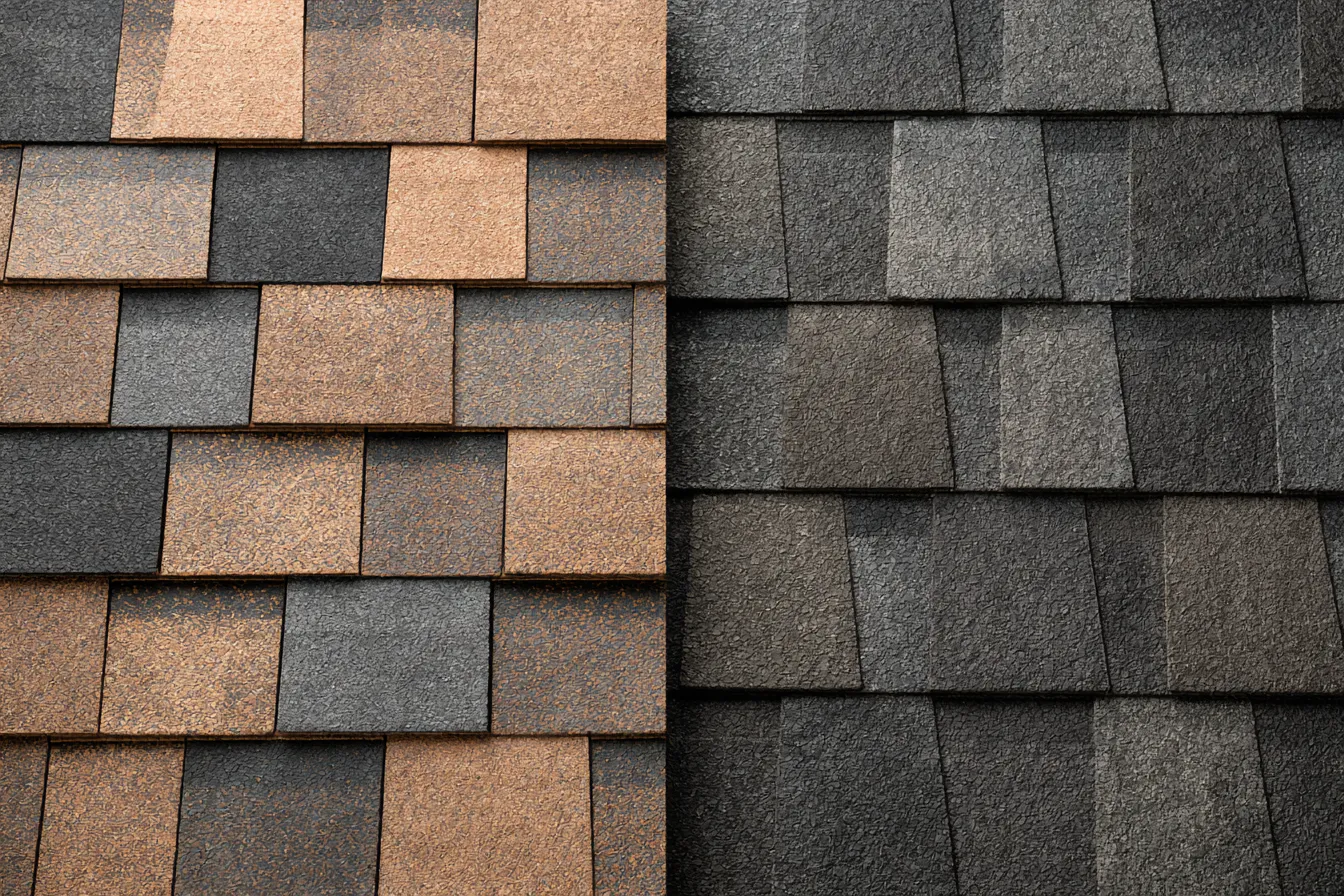
Roofing work the way it looks around Carrollton.
Indian Creek roofing questions.
What owners of the larger west-side roofs ask.
Q1My roof has steep sections. Can it still be fully photographed?
Q2Do the trees along the greenbelt actually hurt a roof?
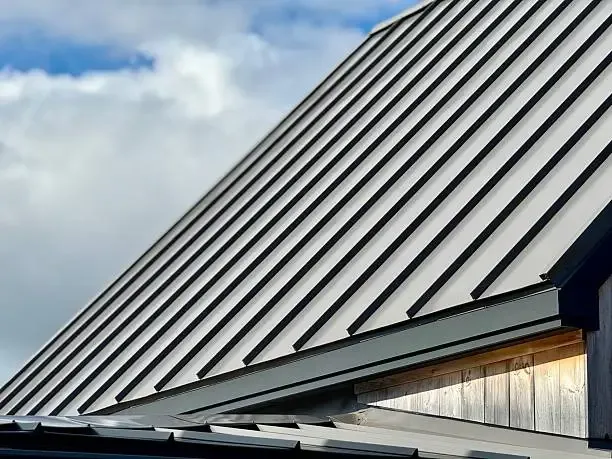
Q3Would metal make sense on a larger Indian Creek home?
Q4How does a complex roofline change the estimate?
Give a complex roof a complete read.
Big rooflines hide their problems in the junctions. A local roofer photographs every valley and wall line, then writes a scope that respects what is actually up there.
Or call (972) 428-2019