Roof Insurance Claims in Carrollton, TX
A storm claim turns on evidence more than eloquence: the better-documented roof usually gets its scope approved. Here is how the process actually runs in Texas, without the folklore.
Call (972) 428-2019
How a Carrollton roof claim actually moves.
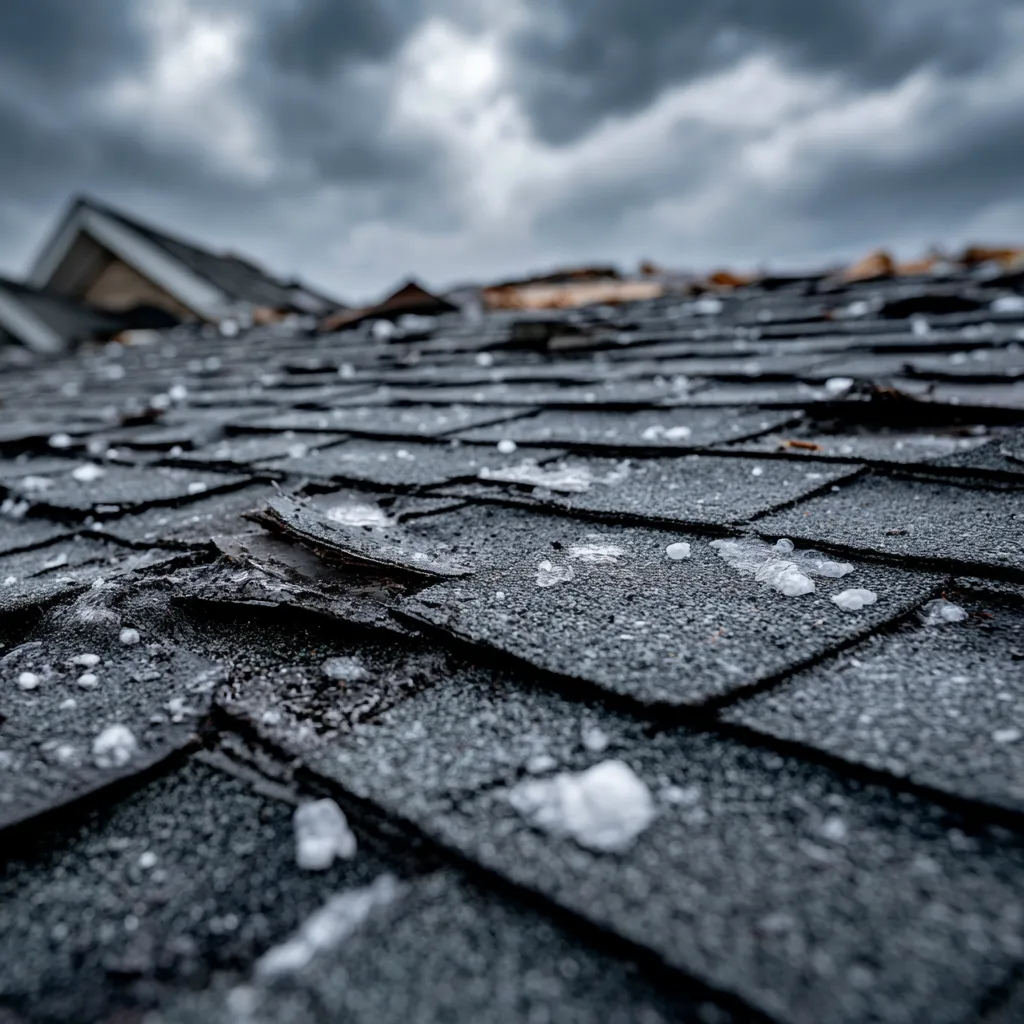
The sequence is stable: damage happens, you notify your carrier, an adjuster inspects, the carrier issues a scope and payment terms, the roof gets fixed. Where claims go sideways is evidence. An adjuster works a roof in under an hour; a plane-by-plane photo record from a documented storm check gives that hour something solid to approve, and your roofer can be on the roof during the adjuster walk so nothing gets argued from memory.
Deadlines live in your policy, not in state folklore: most Texas policies expect prompt notice, many read about a year from the date of loss, and disputes carry their own clocks. The practical rule is simple, and the county record explains why: document early, file promptly, keep everything.
Before you file, get these in order.
Five things that make a Texas roof claim run clean.
- A dated, plane-by-plane photo record of the damage, taken before repairs
- Your policy declarations page, and whether the roof pays out at ACV or RCV
- The storm date, matchable to the county record
- Temporary protection done and photographed, since policies expect you to prevent further damage
- A written repair scope from a roofer, itemized to what the photos show
One thing never on the list: a contractor offering to cover your deductible. Texas law makes that a criminal offense, and it is the loudest red flag a roofer can wave.
ACV versus RCV, the clause that decides the check.
The single most consequential line in a Texas roof policy, compared plainly.
Carriers increasingly move older roofs toward ACV schedules at renewal. Reading that clause today, before storm season, is free; discovering it after a storm is not.
Claim questions.
Deadlines, deductibles, and the folklore, sorted.
Q1Will insurance cover a 20 year old roof in Texas?
Q2What is the 25% rule for roofing?
Q3How long do I have to file a roof claim in Texas?
Q4A roofer offered to cover my deductible. Good deal?
Build the claim on evidence.
Adjusters approve what they can verify. Get the damage documented to that standard, with a written scope matched to the photos, and the claim gets decided on the record you hand it.
Or call (972) 428-2019