
Roofing Materials in Carrollton, TX
A roof is a stack, and the parts you can see from the street are the cheapest half of it. This page names the whole stack, so a Carrollton estimate reads like a parts list instead of a leap of faith.
Call (972) 428-2019
Every layer on a Carrollton roof, and its job.
Bids compete on the visible field because that is what photographs from the curb. The layers underneath, synthetic underlayment across the deck, self-adhered membrane where water concentrates, metal at every edge and wall, are where a cut-rate bid quietly saves its margin, and where roofs actually fail.
Below is the full stack in plain words. Read it once and you can interrogate any estimate in town, starting with what each configuration costs and which field suits the house.
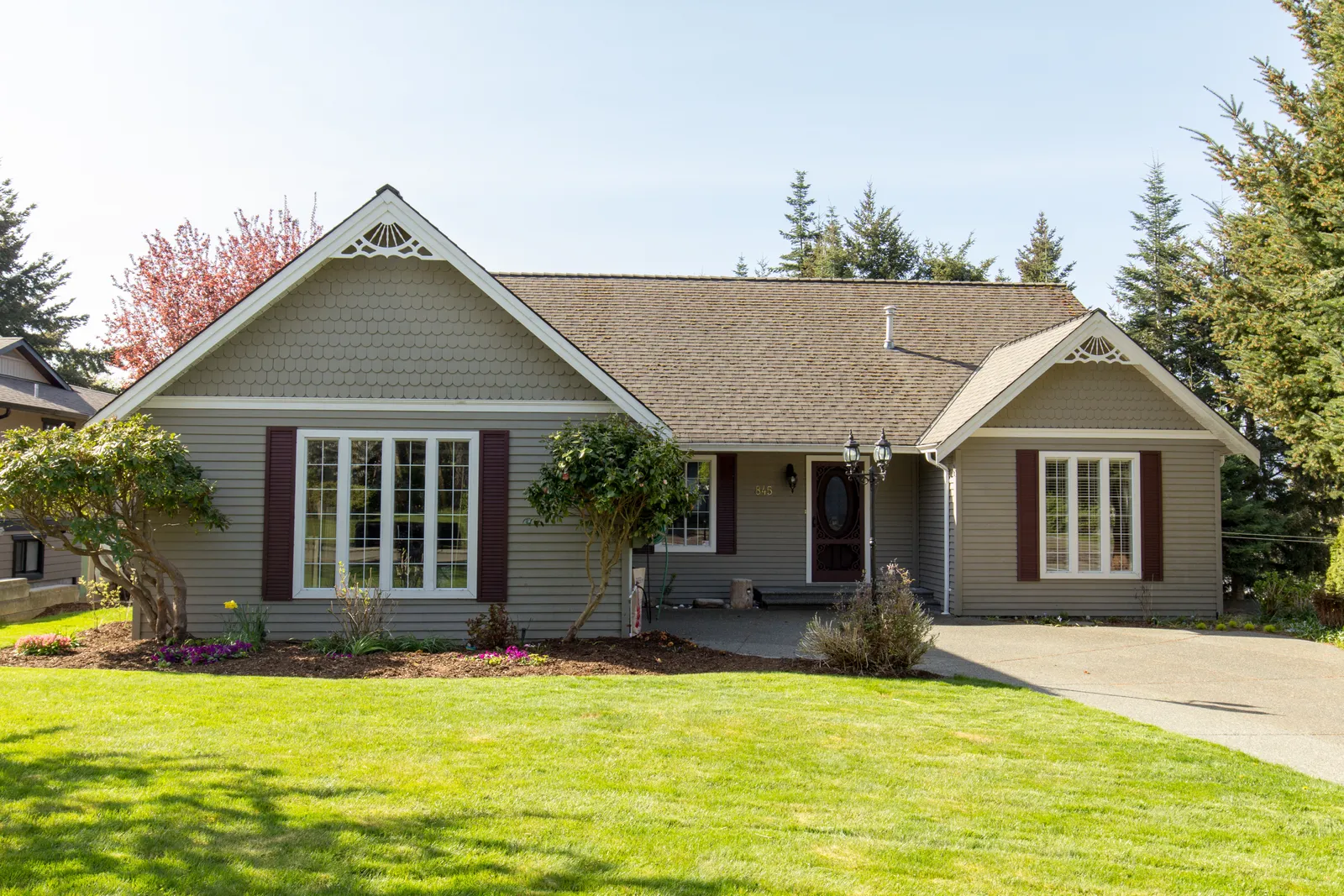
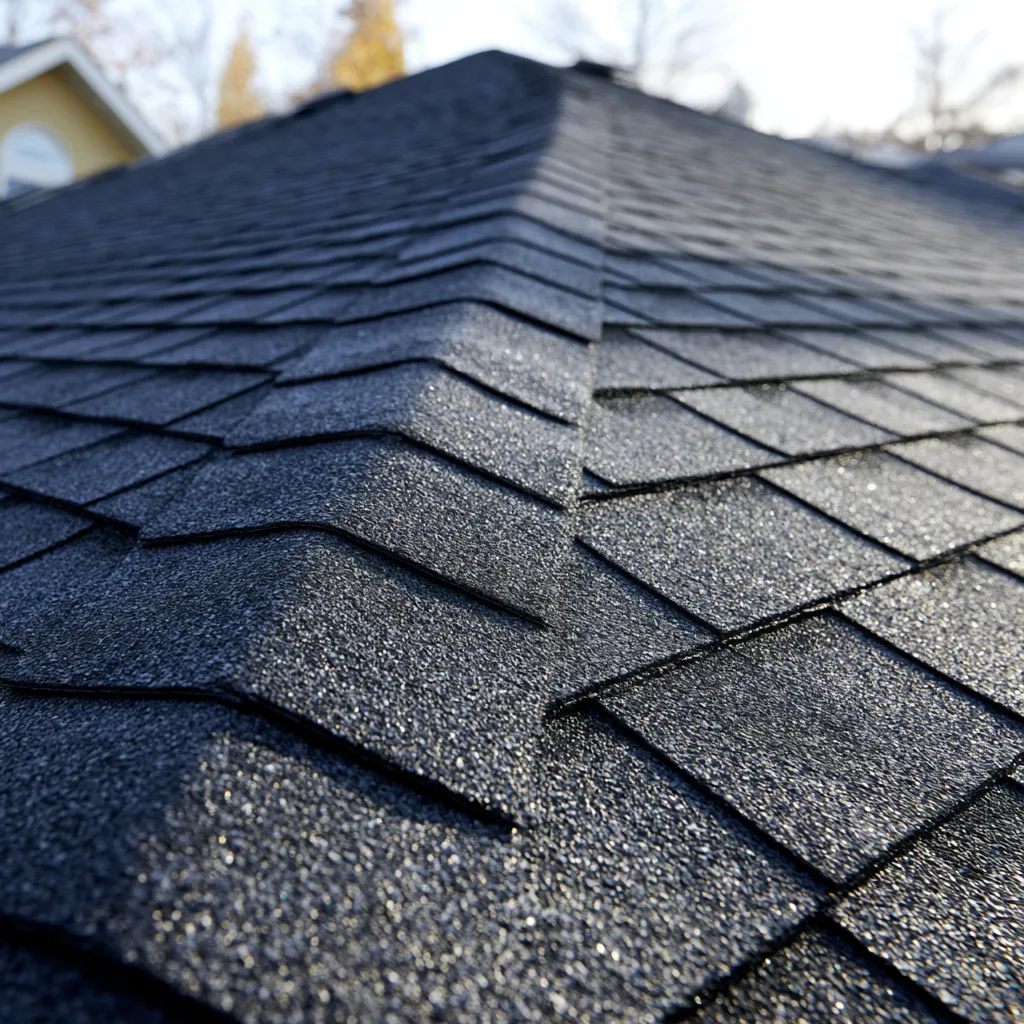
Architectural asphalt
Two bonded layers, a deep shadow line, and a wind rating that holds when the nailing follows spec. The field on most Carrollton streets.
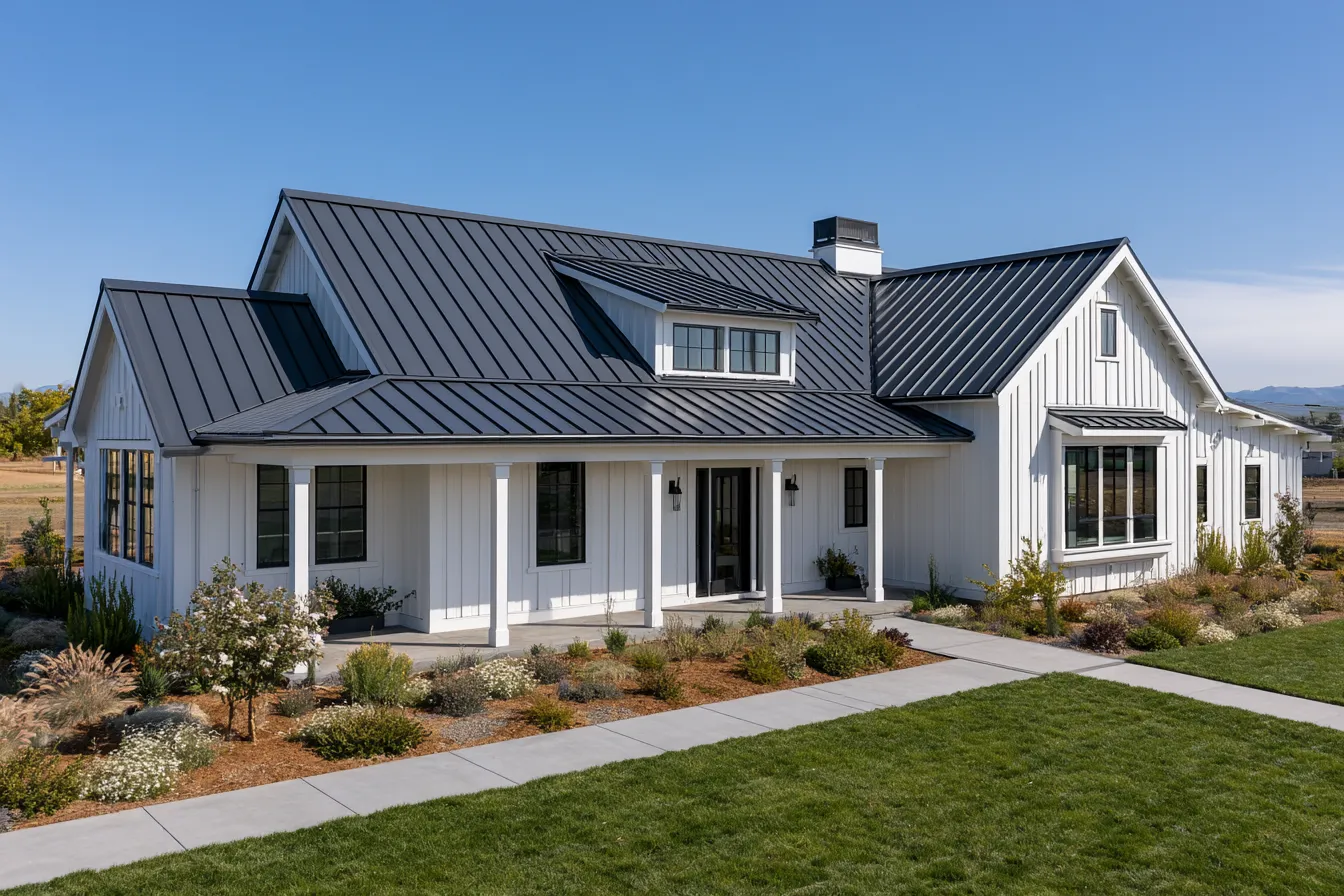
Standing-seam steel
One unbroken line from ridge to eave, fasteners hidden inside the lock. Built for the gusts this county has on record.

What sits under the field
The quiet half of the system: a deck-wide water barrier plus self-sealing membrane at the trouble spots. Invisible from the street and doing most of the work.
The fields that go on top.
The visible tiers first, from budget 3-tab to impact-rated; the buried layers they depend on come next.
3-Tab Asphalt
The old flat, single-layer style. Cheapest per square, lightest build, and the first to lose tabs when a spring front comes through. On a Dallas County record like this one, it is hard to recommend.
Architectural Shingles
The workhorse tier on Carrollton re-roofs: laminated construction, a deeper profile than 3-tab, and wind performance that holds when the install follows the book.
Designer & Premium
Thicker, sculpted lines built to read like slate or shake from the street. A premium look for the larger rooflines around Indian Creek and the newer far-north stock; still a style, not a hail rating.
Impact-Rated (Class 4)
Not a look but a lab result: Class 4 is the highest grade the UL 2218 impact test awards, and architectural and designer fields can both be ordered with it. On this county's hail record it is the spec worth asking about, and some carriers discount for it.
* Warranty and insurance figures vary by product and carrier and are confirmed in writing before work starts. The manufacturer warranty depends on the system the roofer installs.
The stack, layer by layer.
The field is a choice; everything under it is a standard. This table is the standard.
Two identical-priced bids can differ on four of these six rows. A scope that names every layer, with photos as they go in, removes the guessing.
Materials questions.
The stack, interrogated.
Q1What underlayment should I insist on?
Q2Is a heavier shingle automatically a better shingle?
Q3What actually fails first on a roof here?
Get the full stack in writing.
Every layer gets named for your specific roof, price attached, and the install photographed as each one goes in.
Or call (972) 428-2019