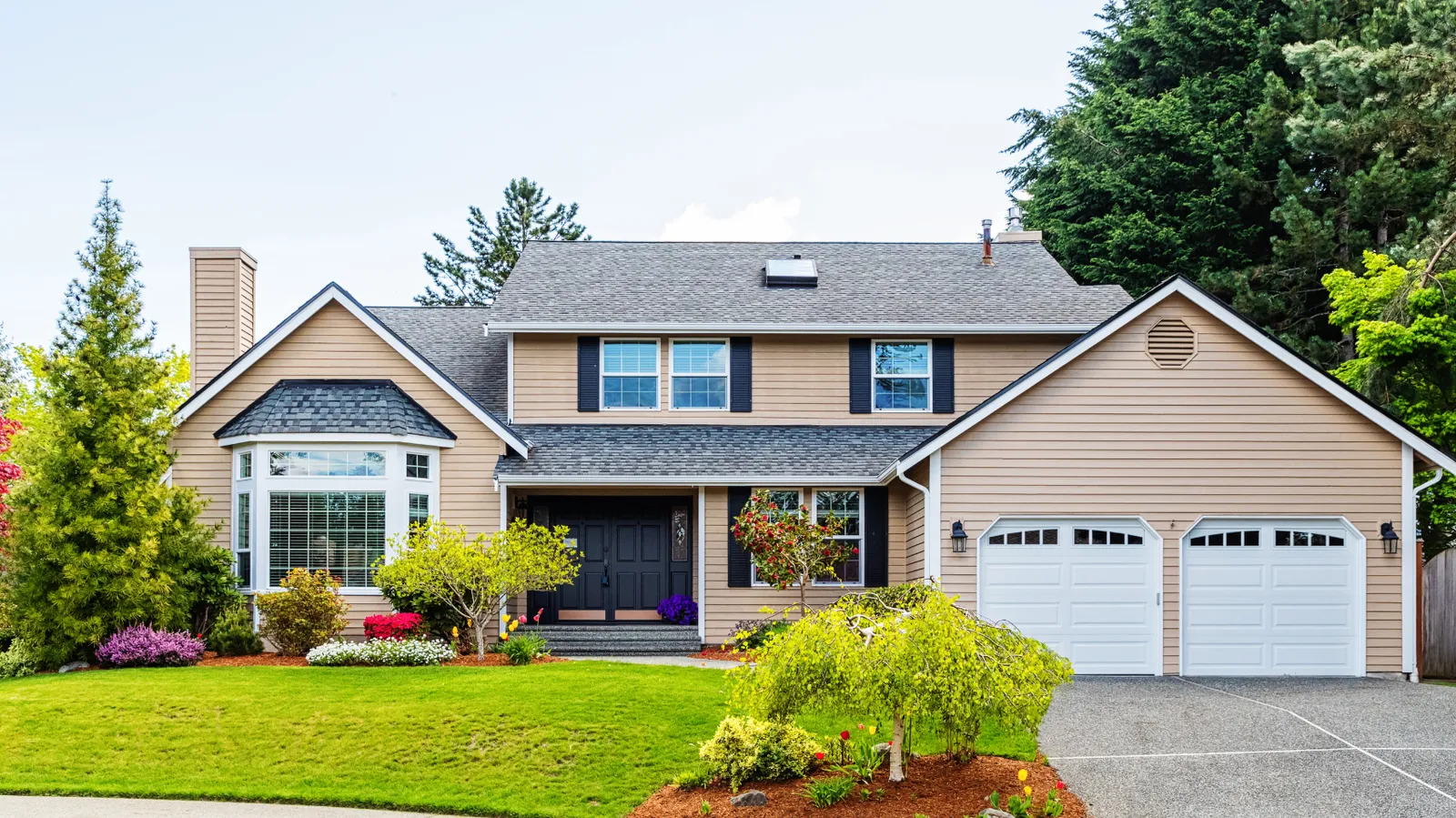
One Census figure explains a remarkable amount of Carrollton roofing: across ZCTA 75006, the ZIP area covering the south and center of town, the median home was built in 1981. Half the housing stock in that area predates the Reagan administration, which means the town is working through its second and third generation of roofs more or less together. Here is what that synchronized aging looks like from the roofline, and how to read where your own house sits in it.
One number, carefully framed
First, the framing, because the number deserves it: 1981 is the median build year for ZCTA 75006 specifically, per the American Community Survey. It is not a city-wide figure. North Carrollton filled in through the later 1980s and 1990s, and the far-north streets near SH-121 are younger still, so the aging story runs on a gradient from the old core outward.
A roof, meanwhile, is not the house. A 1981 home is on at least its second field by now, often its third. What synchronized construction really means is synchronized decision points: when one street re-roofed together in the 2000s, that street reaches end-of-life together in the 2020s, which is why replacement seasons here look contagious.
How a Texas asphalt roof actually ages
The brochure lifespan for an architectural field is 25 to 30 years. Texas negotiates that number down through three mechanisms: attic heat cooking the mat from below when ventilation is starved, ultraviolet exposure hardening the asphalt until it cracks instead of flexing, and the county hail schedule punching bruises into whatever the first two weakened.
Aging shows in a fixed order. Details go first: pipe boots crack, sealant releases at flashings, a windward course lifts. The field follows: granule loss exposing black mat, curling tab edges on the south slopes, grit filling the gutters faster each season. By the time the field stage is obvious from the ground, the decision has usually been made for you.
The repair-first years, and when they end
The useful news about the detail stage is that it is cheap. A traced repair at a failed boot or an opened flashing seat costs a fraction of a replacement and legitimately buys years when the surrounding field is sound. On streets this age, repair-first is the honest default, not a consolation prize.
The crossover comes when repairs start arriving closer together, or when a documented inspection shows field-wide granule loss rather than isolated failures. At that point each new patch is buying months, and the arithmetic flips toward the replacement conversation, ideally on your own schedule rather than on a storm timetable.
Reading your own house in one afternoon
Three questions locate you on the curve. When was the current field installed, not the house built; an invoice or permit record answers it. What do the details look like, boots and flashings especially, since they lead the field by years. And what has the recent hail schedule done, which in this county is never nothing.
The first question you can answer from paperwork. The other two are what a free documented look answers with photographs, and on a roof past its fifteenth year that photo set is the difference between planning a replacement and being ambushed by one.
Own a roof from the build-out decades? Get it documented while the answer is still a plan instead of an emergency. Call (972) 428-2019